- Reducing or increasing the nose size
- Changing the shape of nose tip or the nasal bridge
- Narrowing the nostrils opening
- Changing the angle between the upper lip and the nose
- Correcting an injury or a birth defect
- Helping to relieve some breathing problems
AUM ENT Clinic is a new age well equipped ENT clinic which is dedicated to the prevention and alleviation of human suffering with medical and surgical disorders in the field of Otorhinolaryngology and Head and Neck Surgery. AUM ENT clinic is headed by the India's top Ent specialist Dr.Shailesh Pandey. He is the most efficient and experienced ENT surgeon which performs a wide range of treatments and surgeries which take care of Neck, Nose and Throat.
Thursday, 23 September 2021
Uncomfortable with your Nose Shape? Do Rhinoplasty!
Tuesday, 27 July 2021
Best ENT Specialist Clinic in Mumbai
- Allergic Rhinitis - symptoms of this disease includes sneezing, runny nose, nasal and head congestion etc.
- Meniere’s disease - Symptoms includes hearing loss, earache, feeling of blockage in the ear.
- Acoustic Neuroma - It causes tinnitus, balance problems etc.
- Earwax - It causes temporary hearing loss.
- Otosclerosis - It causes conductive hearing loss.
- Tinnitus - Symptoms includes hearing loss, prevention of normal transmission of sound.
- Sleep Apnea - Snoring happens when there is a barrier to the free stream of air through the entries in the back of the mouth and nose.
- Nosebleed - Two types of nosebleeds in common. It includes anterior and posterior nosebleeds.
- Sinusitis - The sinuses are the most confused areas of ENT. "Sinusitis" refers to an irritation and contamination in the sinuses
- Vocal cord lesions - Vocal rope injuries, otherwise called vocal fold sores, are non cancerous developments that incorporate knobs, polyps, and sores. All can bring about raspiness and are commonly connected with vocal abuse or vocal line injury.
- Thyroidectomy - A thyroidectomy is an operation that includes the surgical evacuation of all or part of the thyroid organ.
For appointment: Call us on 022 40032116
Friday, 16 July 2021
Nose Care Tips After Rhinoplasty Surgery
Procedure:
- General or local anesthesia is given to the patient before the surgery to make the procedure pain free.
- The surgeon makes cuts inside the nose or outside the nose accordingly.
- Through these incisions, the skin which covers the nasal bones and cartilages is gently raised, this will allow the access to reshape the structure of the nose.
- A large nose can be reduced by removing cartilage or bone.
- If the septum is misplaced it can be straightened which can improve your breathing.
- After correction, the incisions are then closed.
After the surgery:
- When you lie down keep your head raised above the chest, this would help you to avoid bleeding and swelling.
- Internal dressing of the nose remains for at least a week.
- You may suffer from slight bleeding, leakage of mucus and old blood for a week after the surgery or after removing the dressing.
- A drip pad will be placed by the surgeon to collect the drainage.
- Avoid heavy activities that may strain your nose.
- During bath take precaution for the nose.
- Avoid blowing your nose.
- Do not smile or laugh too much.
- Brush your teeth gently without affecting your nose.
- Do not use eyeglasses for a week.
For appointment: Call us on 022 40032116
Tuesday, 29 June 2021
Multilevel Single Stage Surgery For Snoring and Sleep Apnea
In surgery, the specialist will try to identify and correct the respiratory parts that are causing the snoring. The respiratory parts that need to be fixed to stop snoring include the nose, tongue, palate, and the bones of the face, neck, and jaw.
Previously separate surgeries were performed for obstructive sleep apnea treatment. But thanks to the latest technology and advanced research studies, Now it is possible to treat the condition by just performing a multilevel single stage surgery.
What is Multilevel Surgery?
Different sleep studies have identified that nose and soft palate play a pivotal role in causing the breathing obstruction in patients suffering from sleep apnea. Rather than treating both the conditions differently, it is now possible to resolve both the issues just by performing a single stage procedure.
In this procedure, the surgeon makes use of the latest technique known as Barbed reposition Pharyngoplasty, while correcting the nasal and retropalatal obstructions in the patients.BARB sutures help to treat the soft palate condition without excising much of the tissue while the nasal component is treated with suitable procedure depending on the deformity.
The nasal surgeries, along with BRP, can provide effective and promising results to the patients. It not only solves the problem but also helps cut down the patient's multiple visits to the hospital and is also a cost-effective procedure.
It requires a highly experienced and specialized surgeon to correctly identify the problem and perform the procedure with effective results.
If you are vexed by Sleep apnea, Snoring problem and want to eliminate it with a single surgery, contact Dr Shailesh Pandey at AUM ENT Clinic for sleep apnea snoring treatment. A highly skilled ENT specialist who has unparalleled experience in treating sleep-related disorders.
For appointment: Call us on 022 40032116
Monday, 31 May 2021
ENT Problems in the time of COVID 19 and Coronavirus
- Difficulty in breathing or shortness of breath
- Aches and pains in muscles and/or bones
- Frequent/Constant headaches
- Unusual loss of smell or taste
- Running or a congested nose
- Loose motions
AUM ENT CLINIC
For Appointment: Call us on 022 40032116
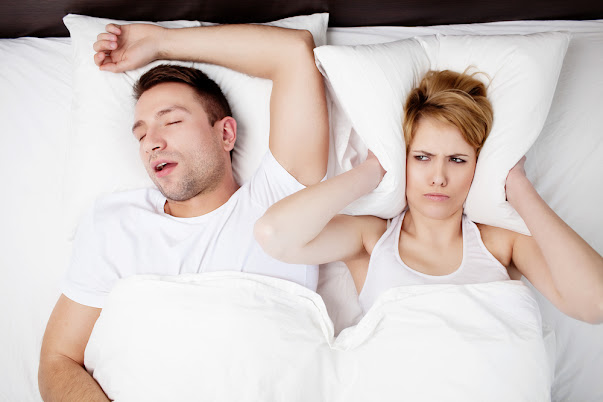
Obstructive Sleep Apnea and its Lesser Twin-Snoring
Sleep apnea is a disorder which is characterized by abnormally shallow breathing (hypopneas) or abnormal pauses in breathing (apneas) during sleep. These apneas can occur due to a physical blockage to airflow or a lack of respiratory effort, or a combination of both.
Snoring: Snoring is due to relaxation in soft tissues (when breathing) around the back of the throat which causes the narrowing of the upper respiratory structures while sleeping. Meanwhile, anything that narrows the breathing passages can also cause snoring, which includes: Enlarged uvula, medically known as the Palatine uvula (fleshy piece of tissue that hangs down in the back of your throat), deviated septum (when the thin wall between your nostrils is misaligned), an elongated soft palate, obstructions in the nasal area and larger tonsils.
If you suffer from daytime fatigue and sleepiness, and/ or if you don't feel refreshed in the morning after a night's sleep, you should, perhaps, consider getting a sleep study. There are a few ways that you can get that done. The usual method is to go to a sleep study clinic (or a clinic which specializes in Sleep Apnea Snoring Treatment), where you will be connected to a variety of devices that will monitor your body functions while you are sleeping. These include brain activity, eye movements, heart rhythm, oxygen saturation, and muscle activity. Another option is you can get a home testing device, which will also monitor your certain sleep functions, but in the comfort of your own home and bed.
Symptoms of sleep apnea
- Loud and chronic snoring almost every night
- Snorting, Choking or gasping during sleep
- Pauses in breathing
- A sore throat or feeling dehydrated when waking up
- Night sweats, waking up at night feeling short of breath, Insomnia, restless or fitful sleep
- Daytime drowsiness and exhaustion, irrespective of the time you spend in bed
- Absent-mindedness and difficulty concentrating
- Going to the restroom frequently during the night
- Morning headaches
- Uncharacteristic grumpiness, petulance, or depression
- Sexual dysfunction
Understanding your conditions and symptoms is the first and most elementary step in finding a remedy. The obvious way is to examine how you feel during the daytime. Simple snoring doesn’t hamper the quality of your sleep as much as sleep apnea does, so you’re less likely to suffer from sleepiness, mood swings and extreme fatigue during the day. The main risk related to sleep apnea is going undiagnosed. When a sleeper experiences no snoring, but still has sleep apnea, the risk increases radically. Sleep apnea is a serious disorder, so you should contact a doctor right away if you or your partner notices the symptoms. Your doctor’s diagnosis of sleep apnea may involve seeing a professional sleep specialist and tests that can be done in a clinic or at home.
Treatment:
Non – Invasive methodContinuous positive airway pressure therapy (CPAP): This small device uses mild air pressure to keep airways of a person with sleep apnea to open continuously to breathe more easily during sleep. This is a portable device and is fitted on the nose when needed.
Conservative Methods
Uvulectomy: This is performed on patients with a large uvula that causes loud snoring. The procedure involves complete or partial incising the uvula and/or inferior rim of the soft palate, thereby reducing its size.
Septoplasty, Somnoplasty and functional Rhinoplasty: These surgical procedures will be performed when Snoring is a result of nasal obstruction and depending on the severity.
Adenotonsillectomy: This is the removal of the tonsils and adenoids which is commonly performed in children with the obstructive sleep apnea syndrome.
Palatal implants: A single-stage office procedure (a form of oropharyngeal surgery) involving the placement of three polyester implants in the soft palate under local anesthesia to help reduce vibration that causes snoring.
Surgical procedures
Palatal surgery: Also called as Uvulopalatopharyngoplasty (UPPP), this is a procedure used to remove excess tissue in the throat to broaden the airway.Genioglossal advancement surgery: Genioglossus is the largest muscle of the tongue responsible for protruding the tongue. Genioglossus advancement captures this area of bony attachment and permanently repositions it. The procedure creates more room for the tongue to relax during sleep without obstructing the passages resulting in an enlargement and stabilization of the airway.
Thyrohyoid suspension procedure: This involves advancing the hyoid bone (U-shaped bone in the neck, located above the level area of the thyroid cartilage) anterior or interior to the thyroid cartilage and helps to stabilize the collapsible region of the airway. Maxillary-mandibular advancement: Also called as bimaxillary advancement or double jaw advancement, maxillary-mandibular advancement provides the greatest improvement in treating severe obstructive sleep apnea compared to other procedures. In this process, the upper (maxilla) and lower (mandible) jaws are moved forward, and it effectively enlarges the airway in both the palate and tongue regions.
Tracheotomy: Tracheotomy is used to cure rare cases with chronic OSA syndrome or life-threatening sleep-disordered breathing.
AUM ENT Clinic is dedicated ENT Treatment Center in Mumbai to the delivery of empathetic, quality, state-of-the-art and cost-effective health care with best-in-class technology and equipment. AUM ENT Clinic is dedicated to the prevention and alleviation of human suffering in patients with disorders in the field of Otorhinolaryngology, Head and Neck Surgery as well as snoring treatment in Mumbai. The clinic also provides Obstructive Sleep Apnea Treatment, and Snoring Treatment in Mumbai.
For appointment: Call us on 022 40032116
Wednesday, 23 September 2020
Betadine mouth wash, useful in protection against the virus
Betadine is nothing short of a common household name. To all our throat problems, betadine has always been the perfect solution. But this humble solution is making headlines over the past few weeks, as many researchers believe that betadine mouthwash can be helpful in destroying the coronavirus and thus be instrumental in preventing COVID-19. It is also believed that if someone is already sick, the effects could be reduced with the use of betadine mouthwash.
From the past few decades, we all know that betadine to be a microbicidal agent. Researchers believe that povidone and iodine, the main components of betadine, show considerable virucidal activity. In an interview given to Times of India, Dr Sumita Shakar, associate professor in plastic surgery at Rangaraya Medical College, Kakinada, said , “Betadine is valuable because of its most potent bactericidal, virucidal and fungicidal properties. I am confident that this drug is going to be a more effective solution before a vaccine comes.”
After testing on a small group of COVID-19 patients, researchers have discovered that after the use of the mouthwash, the viruses in their saliva sample had reduced notably. It was also mentioned in a recent research that the effect of the betadine mouthwash lasts for 4-6 hours and thus rinsing the mouth for 2-3 minutes should be a repeated process, at least 4 times in a day.
Tropical Infectious Diseases Research and Education Center (TIDREC) at the University of Malaya, have conducted various laboratory tests and have confirmed that the tested products killed almost 99.99% of SARS-CoV-2 virus in about 15 seconds.
Scientists also noticed that even in diseases like Severe Acute Respiratory Syndrome (SARS) and Middle East Respiratory Syndrome (MERS), that are very much like COVID-19, the iodine mouthwash had produced quite effective results. Many doctor scientists believe that using the betadine mouthwash regularly could be the simplest and cheapest way to safeguard oneself against the deadly coronavirus.
Mail Us: aumentclinic@gmail.com
Book an appointment: aumentclinic.com/book-appointment.php